On November 14,2025, Shanghai University of Engineering Science's "Chengzhi Initiative – Mobile Classroom" program continued its outreach efforts. Twenty-five faculty and students from three colleges—the College of Higher Vocational Technology, International Education College, and College of Mechanical and Automotive Engineering—visited Demach Intelligent Technology (Shanghai) Co., Ltd. for an immersive study tour combining corporate insights, expert lectures, and hands-on exchanges. As a key component of the university's "Social Governance and Global Vision" elective course, this interdisciplinary initiative redefined the "city-as-campus" concept, demonstrating how knowledge can take root in real-world industrial contexts.
Empowering enterprises and building a bridge forindustry-education integration. The predecessor of Demahe Intelligent Technology was the Japanese Tanaka Manufacturing Co., Ltd., established in 1952. After entering the Shanghai market in 1995, it began its China market layout. Following the restructuring in October 2002, the company entered a fast track of development, not only successfully expanding into European and American markets but also delving deeper into the global high-end equipment manufacturing service sector. Today, the company boasts imported digital high-end flexible production lines, five-axis machining centers, turning-milling compound equipment, and advanced testing equipment from Germany, Japan, and the United States, making it one of the benchmark enterprises in the high-end manufacturing field. At the beginning of the event, Mr.Wang, CEO of Demahe Intelligent Technology, took the stage first, comprehensively introducing the company's development history, business layout, and core advantages to the teachers and students. "The school's 'Chengzhi Plan' aligns closely with our talent cultivation philosophy. Industry-education integration is not just simple cooperation but aims to build a bridge from the classroom to the workplace for students," Mr.Wang emphasized. He noted that this event was specially prepared to take advantage of the visit by experts from Bosch Rexroth, hoping to allow students to access high-quality resources across the entire industrial chain and gain a direct understanding of the operational logic of high-end manufacturing.
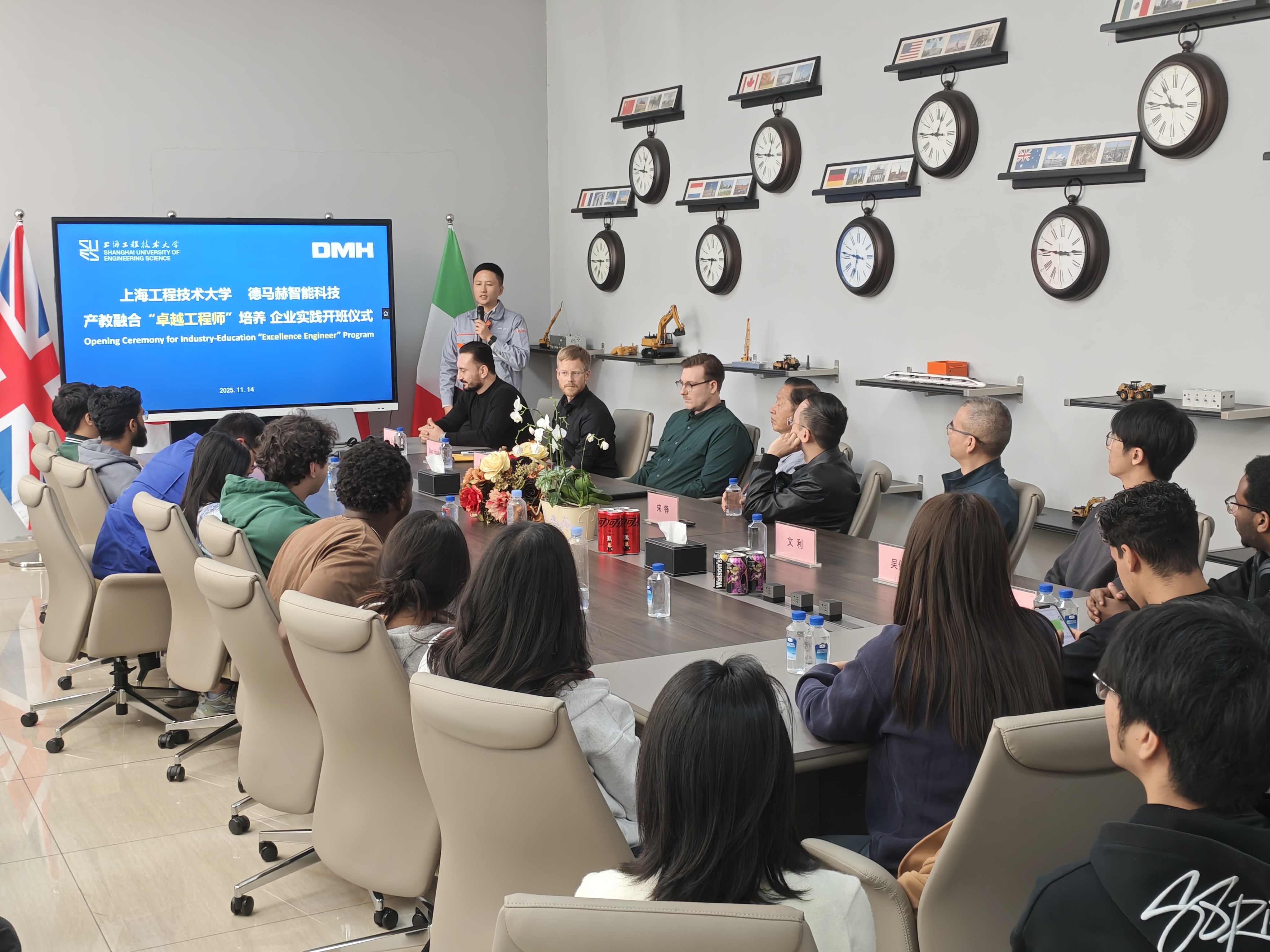
The event featured a profound dialogue between theory and practice, with three seasoned experts from Bosch Rexroth delivering insightful presentations. Specializing in procurement, quality control, and production respectively, these professionals shared real-world case studies to address the common challenge of "the disconnect between theory and practice." One German expert's "pen story" left a lasting impression. Having joined the company at 15, he experienced the gap between textbook knowledge and practical work during his first year despite systematic training under Germany's dual education system. A mentor's simple act of giving him a pen became his breakthrough: writing down daily goals and crossing them off as he progressed, gradually overcoming obstacles to become a senior executive. "Theory is the foundation, but its value is realized only when rooted in practice," the expert emphasized, his words resonating deeply with the audience. The experts also discussed industry trends and professional competencies, breaking down the operational framework of high-end manufacturing—from cost control logic in procurement to core quality standards and production efficiency optimization. They repeatedly stressed that modern technical talent must not only solidify professional foundations but also develop problem-solving skills, actively transcend disciplinary boundaries, and adapt to cross-domain collaboration demands.
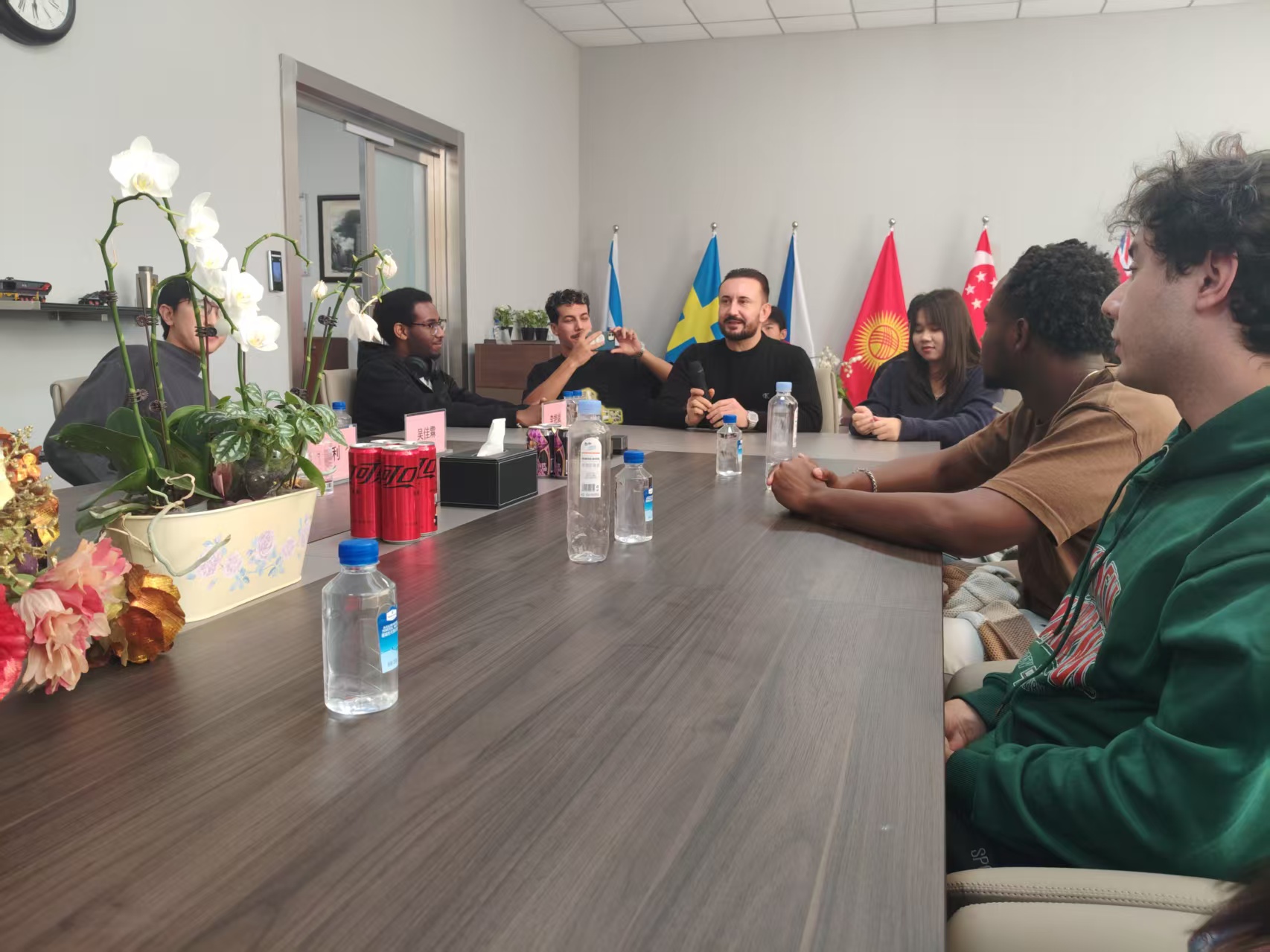
The interactive session unlocked new perspectives on career development. After the sharing session, students shed their usual classroom reserve and raised questions: "What skills do automotive engineering students need to enter high-end manufacturing?" "What qualities do companies prioritize in students under the dual education system?" "How have job requirements in traditional manufacturing changed in the digital transformation era?" Bosch Rexroth experts and Demacher corporate mentors patiently addressed these inquiries. They advised students to not only excel in academic courses but also proactively explore industry-leading technologies and enhance digital tool application skills. They emphasized cultivating soft skills like communication, collaboration, and stress management – all essential core competencies for the workplace. Regarding career paths, experts analyzed professional development trajectories in procurement, quality control, and production roles based on their experiences, providing actionable references. The lively exchange lasted nearly an hour, with students expressing that this dialogue clarified their career planning and deeply understood the truth: "What is learned from books is shallow; true understanding comes from practice."
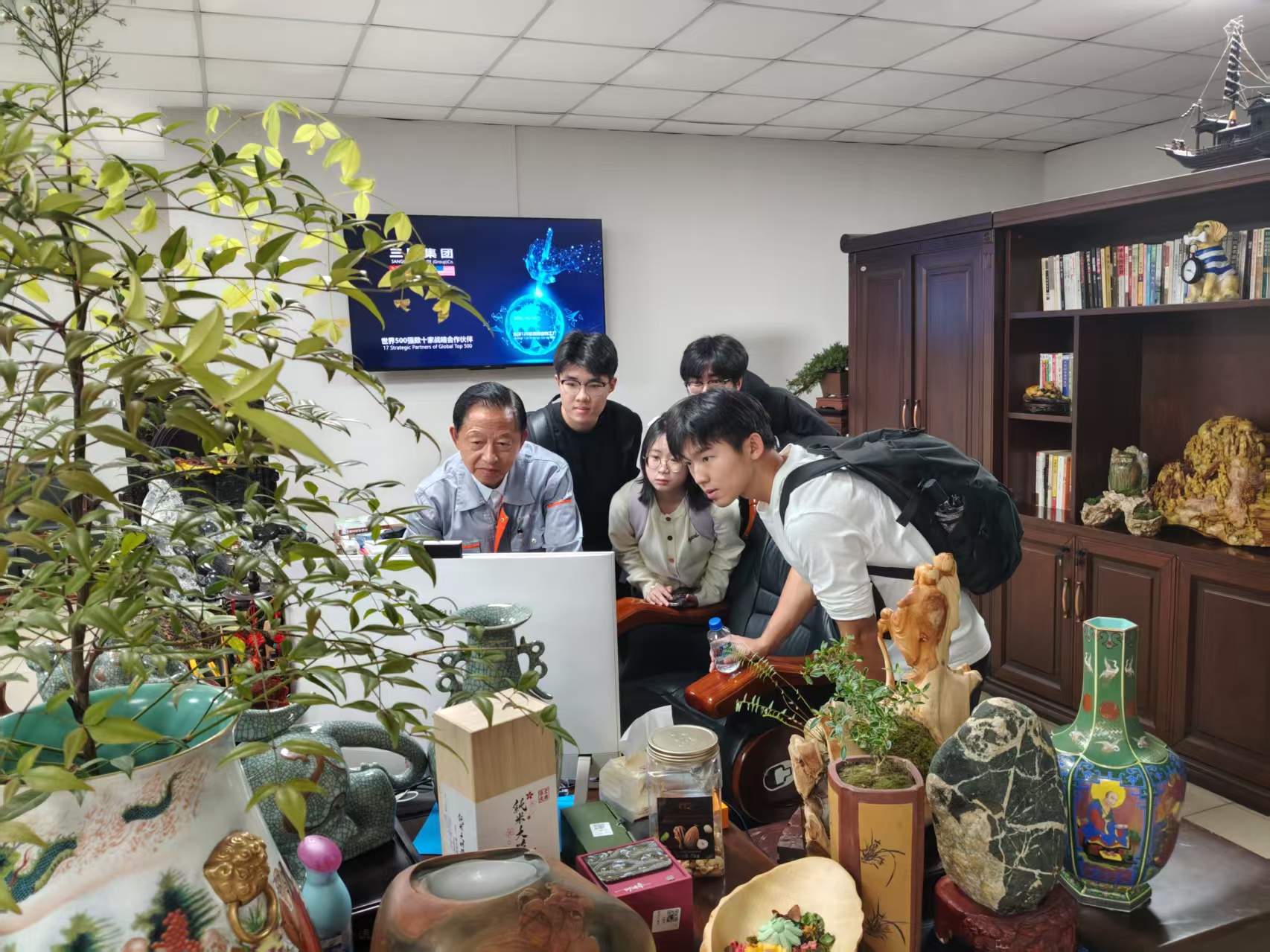
Exploring the workshop to experience the pulse of advanced manufacturing. After the exchange session, Mr.Zhao, General Manager of Demach Intelligent Technology, led the teachers and students into the production workshop to visit the "core battlefield" of high-end manufacturing. Inside the workshop, digital flexible production lines from Germany, Japan, and the United States were operating at high speed. Five-axis machining centers and CNC equipment performed precise operations, while advanced inspection systems monitored product quality in real time. The students were captivated by these modern production scenes. As Mr.Zhao guided the tour, he explained in detail the functions, technical advantages, and application scenarios of each production line. "This flexible production line can quickly adjust production parameters according to different product requirements, significantly improving efficiency and flexibility," he said. "The five-axis machining center enables high-precision processing of complex parts and is a core equipment for advanced manufacturing." He also introduced the company's development philosophy of "pursuing excellence and innovation-driven growth," along with investments in R&D and talent cultivation. The students closely observed the operational details of the equipment, frequently taking photos and videos, with some even proactively seeking technical advice from Mr.Zhao. Students from the Automotive College remarked: "In class, we could only understand these devices through pictures and videos. Seeing them in person today, we felt the charm of digital production and gained clearer direction for our future studies."
The event concluded with a group photo capturing the collective vision of industry-education integration. At the workshop entrance, faculty, students, and experts from Demach Intelligent Technology and Bosch Rexroth took a commemorative photo. Together, they chanted the slogan: "Building an elite academy, cultivating elite mentors, nurturing elite students," their resonant voices echoing through the factory and immortalizing this historic collaboration between academia and industry.
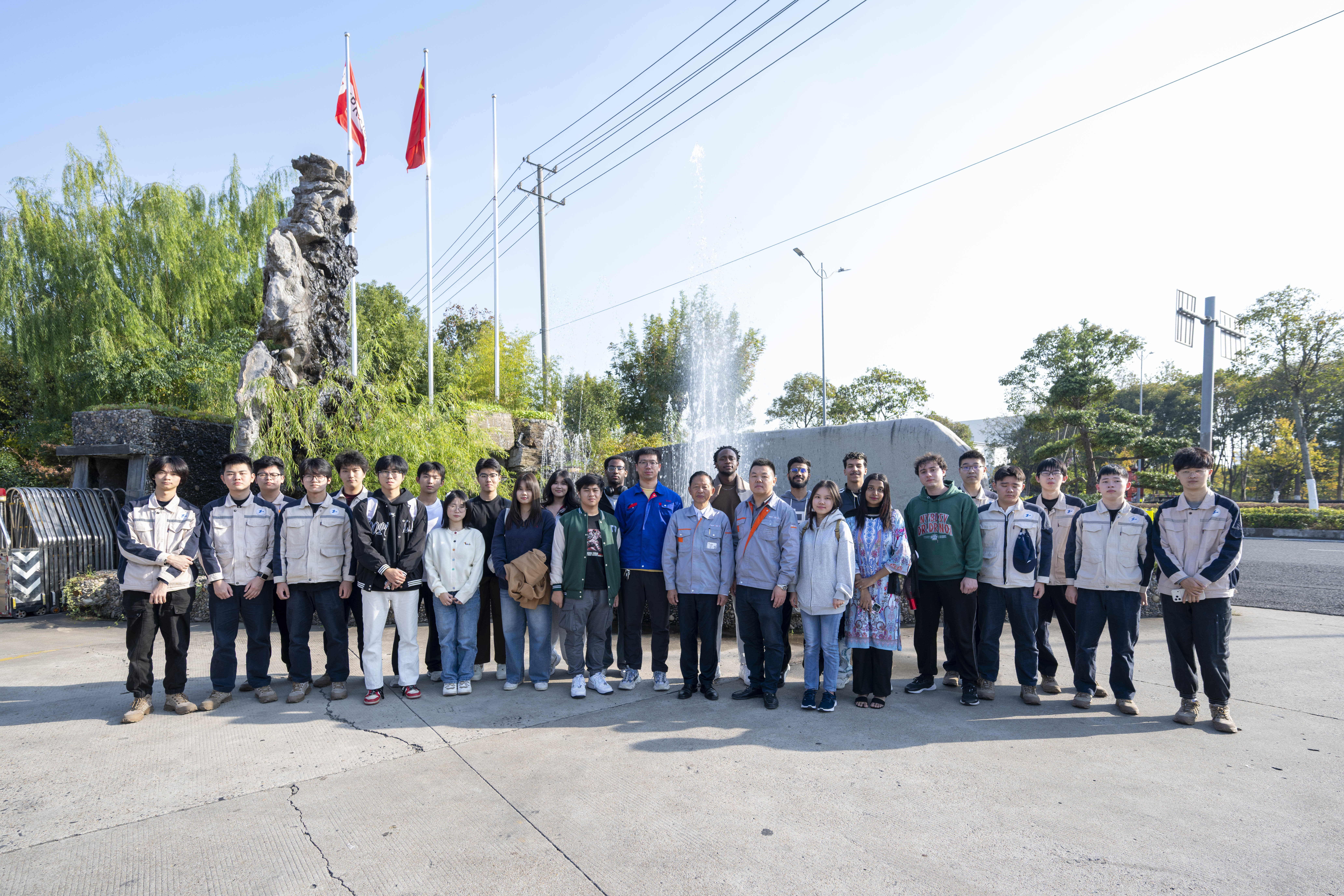
This educational expedition stands as another successful implementation of Shanghai University of Engineering Science's "Chengzhi Initiative". Through corporate visits, expert dialogues, and field explorations, students transcended conventional perceptions of manufacturing, broadened their professional horizons, and gained profound insights into the vital connection between theory and practice. As a flagship program for industry-education integration and cultivating applied innovators, the initiative consistently employs the "three-rotor" interdisciplinary approach to extend learning scenarios into real-world contexts. Moving forward, the university will deepen partnerships with leading enterprises, enrich the "mobile classroom" curriculum, and create more hands-on platforms. These efforts will enable students to expand their perspectives through fieldwork, develop their capabilities through innovative practices, and ultimately nurture versatile talents with both theoretical knowledge and practical skills for the AI era.
Department of Manufacturing Engineering Contributions
Shan Maosong (Text, Photo)